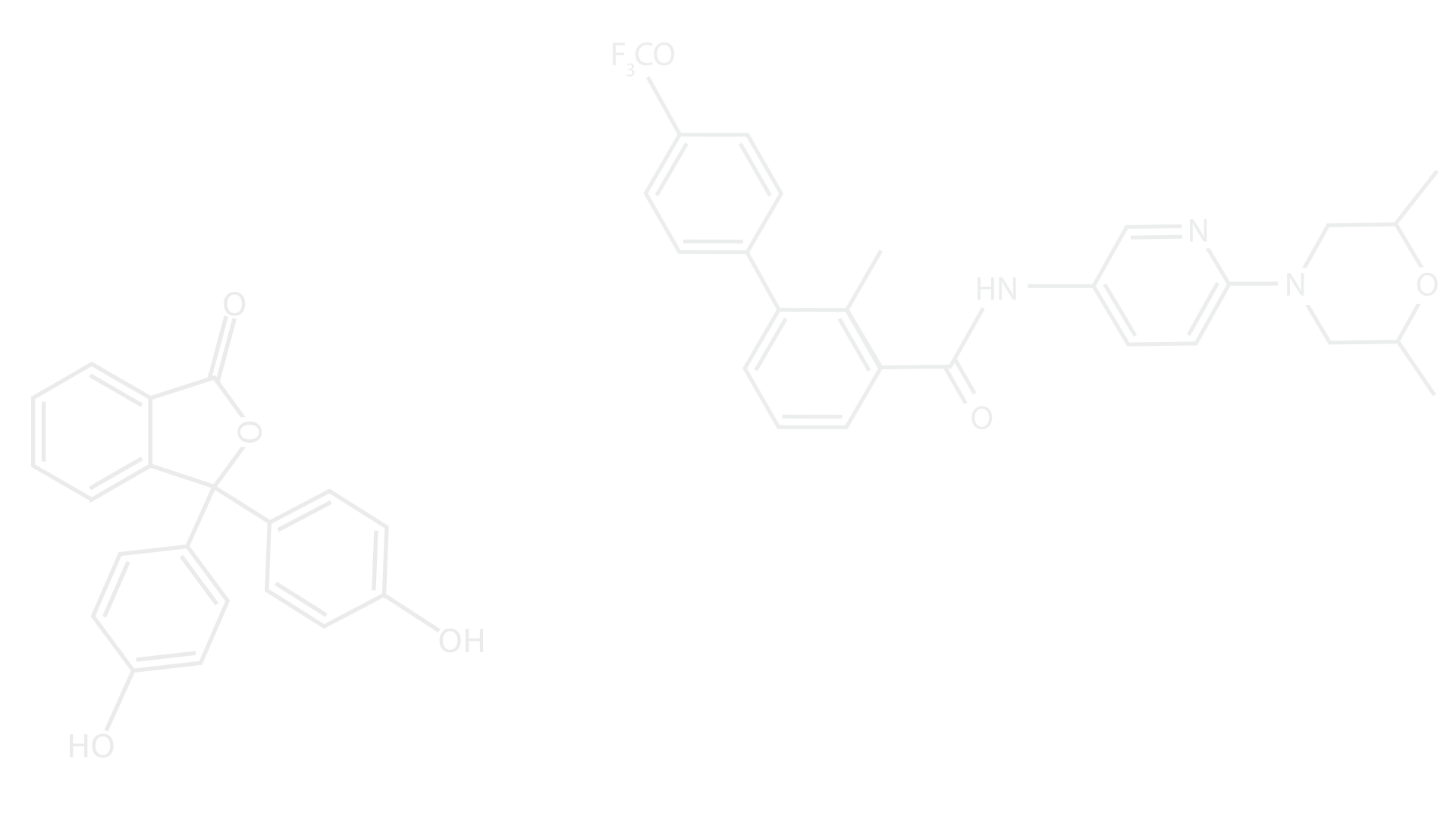
Research Overview
Our research lies at the intersection of Synthetic Organic Chemistry, Medicinal Chemistry, and Drug Discovery, with a focus on the design, synthesis, and biological evaluation of heterocyclic compounds, particularly coumarin-based scaffolds, as potential therapeutic agents. Coumarins are structurally versatile, naturally occurring compounds known for their broad spectrum of biological activities, including anticancer, antioxidant, antimicrobial, and neuroprotective effects. Our work explores how strategic structural modifications of the coumarin core can enhance biological activity and selectivity, enabling the development of novel drug candidates.
Core Objectives:
-
Design and synthesize structurally diverse coumarin derivatives
-
Investigate structure–activity relationships (SAR)
-
Evaluate biological activity across multiple therapeutic targets
Research Focus
Design & Synthesis of Bioactive Molecules
We employ innovative synthetic strategies to construct structurally diverse coumarin derivatives using both classical and modern organic reactions, including Pechmann, Claisen, Perkin, Knoevenagel, Wittig, and Baylis–Hillman methodologies.These methods enable efficient access to diverse and functionalized coumarin derivatives.
Biological Evaluation
The synthesized compounds are evaluated for a range of biological activities, including: Anticancer activity, Monoamine oxidase inhibition (MAO-A and MAO-B), Antioxidant properties and Antimicrobial and antimalarial effects
Current Research Areas
-
Coumarin–Estrogen Conjugates
This project utilizes a bioconjugation strategy to enhance selective targeting of estrogen receptor (ER)-positive cancer cells. These
conjugates have demonstrated promising growth inhibition against human breast cancer cell lines.
-
Coumarin-Based SERMs (CSERMs)
We design Selective Estrogen Receptor Modulators (SERMs) by incorporating aminoalkoxy side chains into the coumarin scaffold.
These compounds show strong antiproliferative activity comparable to established therapies, highlighting their potential as novel
anticancer agents.
-
3-Substituted Coumarins
Anticancer Agents: 3-Arylcoumarins exhibit significant cytotoxicity via mechanisms that include oxidative stress, mitochondrial
dysfunction, and apoptosis induction.
MAO Inhibitors (Neuroprotective Agents): 3-Acetylcoumarins and their derivatives exhibit potent, reversible inhibition of MAO-B
and additional neuroprotective effects under oxidative stress conditions.
-
Coumarin–Chalcone Hybrids
This research focuses on the development of multifunctional coumarin–chalcone hybrids as monoamine oxidase inhibitors for the
treatment of Parkinson’s disease. These multifunctional compounds are designed to address oxidative stress, mitochondrial
dysfunction, and neuroinflammation; key factors in neurodegeneration.
Research Impact
Our work contributes to:
-
Development of novel therapeutic candidates
-
Advancement of heterocyclic drug design strategies
-
Improved understanding of structure–activity relationships (SAR)
-
Translation of synthetic chemistry into biomedical applications

